



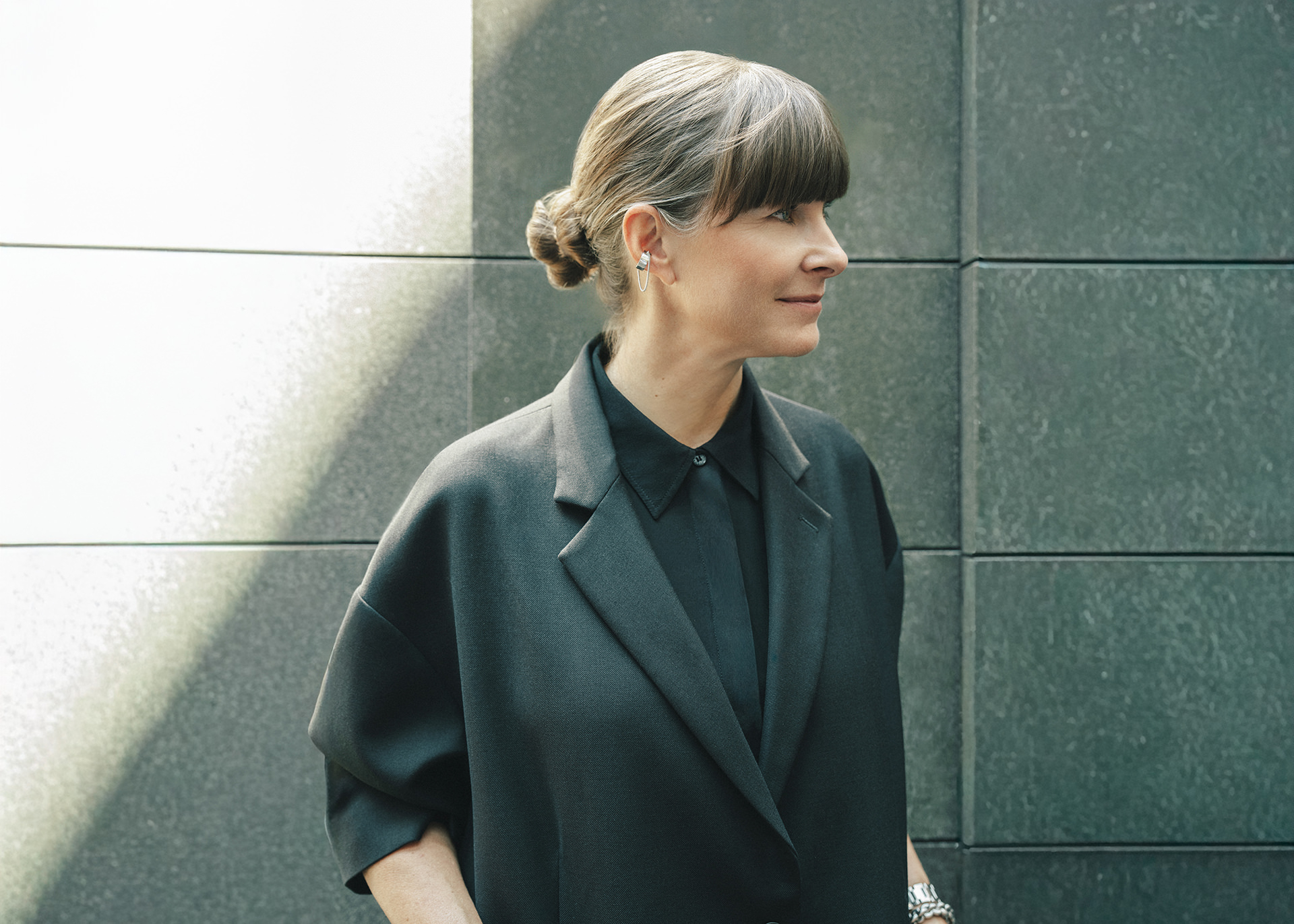
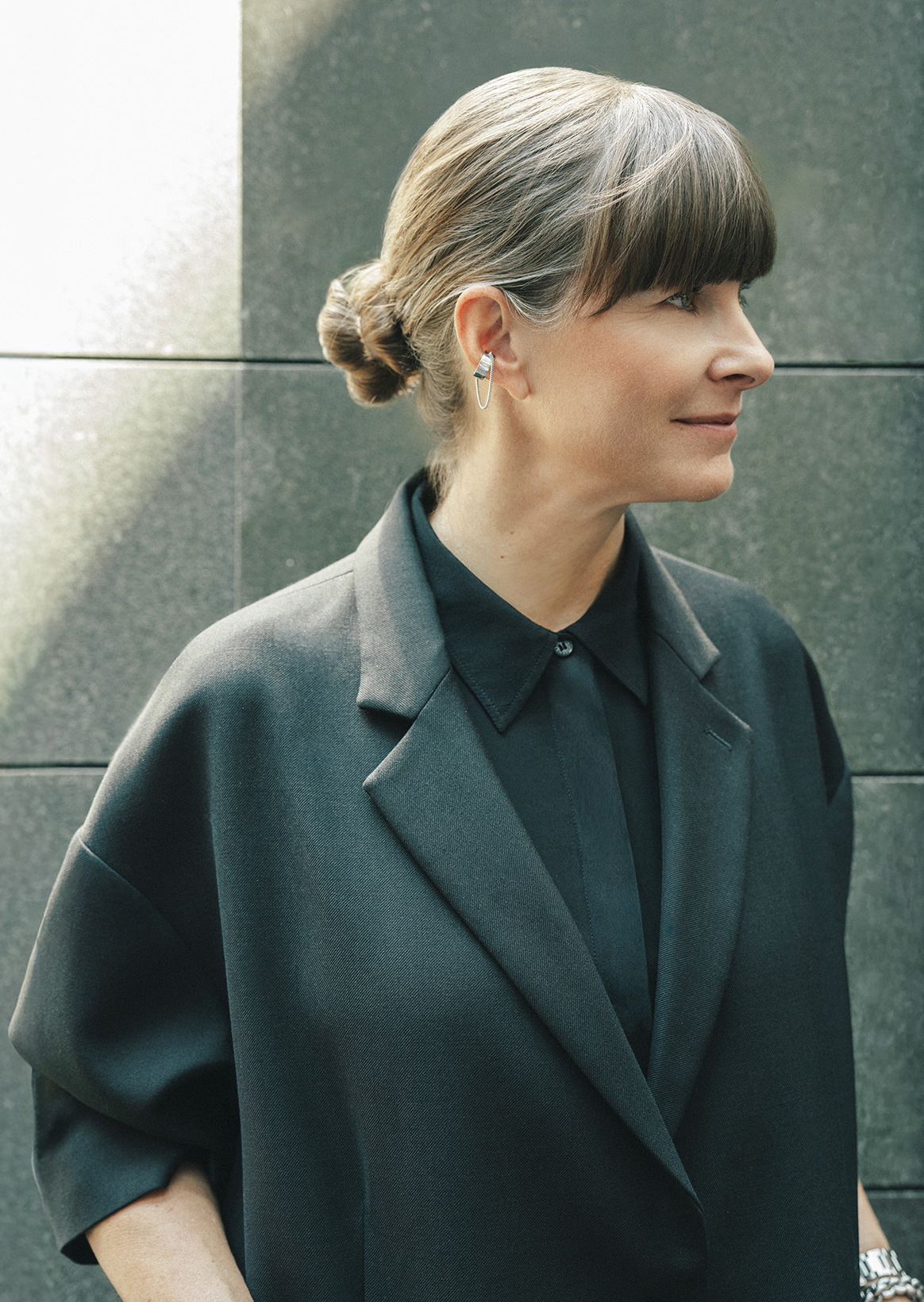
2013年、モナ・ヤンセンとモルテン・イサクセンによってノルウェー・オスロで設立されたジュエリーブランド、「Tom Wood(トム・ウッド)」。シグネットリングを再解釈した静かな佇まいのジュエリーは、流行に左右されない普遍性と、身につける人自身の輪郭を引き立てる強さをあわせ持つ。創業当初から“長く残るものづくり”をブランド哲学の核に据え、近年は素材調達の透明性やトレーサビリティの強化を通して、その思想をより具体的な実践へと押し広げてきた。6月12日(金)、大阪初となる直営店が心斎橋PARCOにオープン。あわせて開催された展覧会「A Journey in Craft」では、完成したジュエリーだけでなく、その背景にある素材研究や職人たちの手仕事にも焦点を当てるものとなった。来日した共同創設者のモナ・ヤンセンに、創造性の原点、日本のクラフトマンシップへの共鳴、そして時を重ねることで意味を深めていくものづくりについて話を聞いた。
※ The English version is available below.
- Photo
- Natsumi Ito
- Text
- Tomoko Ogawa
- Edit
- RIDE Inc.
—— 自然や建築からの影響について度々触れていらっしゃいますが、振り返ると、ご自身のオリジナリティや創造性は、どのような環境のなかで育まれたと思いますか?
ノルウェー西海岸の、海と森、岩山に囲まれたとても小さな島で育ちました。私たちの家は築200年ほどの元パン屋で、壁がとても薄かったので、海の音を聴きながら眠りにつき、海の音で目を覚ましていました。一歩外に出れば海の匂いがしました。電話もインターネットもなく、子どもの頃はいつも外で遊び、動物のための小さな庭をつくったり、自然のなかにあるもので何かを生み出したりしていました。そんなふうに自然がいつもそばにあったことが、かたちや質感、素材の見方を形成し、シンプルさを大切にする感覚につながったのだと思います。
島を出て広い世界に触れてから、建築に惹かれるようになりました。小さなディテールやプロポーション、構造が、物事の感じ方をどう育むのかに、すぐに夢中になりました。両親は教師でしたが、母はよく私を展覧会や舞台、公演に連れて行ってくれて、とても創造的な家庭で育ちました。ひとつの環境というより、こうしたさまざまな影響と、観察し学び続けることへの絶え間ない関心とが組み合わさって、私の創造性を育ててくれたのだと思います。今でも私は、自然と人の手によるもの――文化や歴史、クラフトマンシップによって形づくられたもの――との対話のなかに、インスピレーションを見出しています。
—— 経済学を学び、ブランド戦略の分野でキャリアを積まれたのち、Tom Wood を立ち上げられましたが、その一歩を後押しした瞬間とは?
ひとつの決定的な瞬間というより、時間をかけて少しずつ実感が育っていった、という感じです。最初は好奇心に近く、ほとんど趣味のようなものでした。ブランディングとマーケティングの世界に15年以上、そのうち6年は自分のエージェンシーを経営し、キャリアの多くを、他の人がブランドを築くのを手助けすることに費やしてきました。クリエイティブの面に深く関わることは多かったのですが、助言し戦略を立てる側で、実際に具現化するのは自分自身ではありませんでした。
大きな転機になったのは、今も一緒に仕事をしている工場のひとつで、自分が手がけた最初の試作品を見たとき。それはシグネットリングのシリーズでした。見た瞬間、自分の子どもに対して抱くような、「これは自分のものだ」という感覚が即座に湧いてきたんです。私にとって、自分自身の創造性から生まれたものに責任を持つことは、新しい経験でした。というのも、自ら何かを生み出すことは、人に助言することよりもずっと深く、ずっとパーソナルな行為だからです。そして、1年ほどの準備期間を経て、2013年にエージェンシーを離れ、Tom Wood に全力を注ぐことにしました。
—— これまでの歩みのなかで、今も心に残り続けている言葉やアドバイスは?
好奇心を持ち続けること。
—— 若い頃のご自身に一言伝えられるとしたら、何を伝えますか?
自分の直感を、自分を信じることですね。これは誰かに授けられた言葉ではなく、私自身から出てきたアドバイスです(笑)。私は Tom Wood を実際に始めるまで、ずいぶん長く待ってしまったのかもしれない。だからこそ、思い切ってやってみること、というのがその教訓です。人は「あなたは間違っている」とか「その選択は正しくない」と言ってくることもあります。でも、自分の直感のほうが正しいこともある。強さは内側から生まれるもので、自分を信じなければ、続けていくのは難しい。「やってよかった」と、心から思っています。

—— デザインをするとき、最も大切にしている価値観とは?
長く身につけられるものをつくりたいと思っています。私たちは流行を追いません。その代わり、強いかたち、素材の質、クラフトマンシップを大切にしています。そうすれば、人は何年も身につけることができますし、次の世代へ受け継ぐこともできるかもしれない。それがずっと Tom Wood の基盤でした。そしてジュエリーに限らず、家具でも、衣服でも、アートでも、あらゆるカテゴリーを通じて、その全体に関心があります。デザイン、素材、そしてクラフトマンシップの質は、そのすべてにおいて、私にとって大きな意味を持っています。
—— 良いデザインと、美しいデザインの違いをどう捉えていますか?
私にとって、美しさは表面的なものであることも多い一方で、良いデザインはもっと深いところにあります。それはよりパーソナルであり、長く使われることを前提につくられているものです。品質、耐久性、クラフツマンシップなど、あらゆる面に強さをもたらします。つまり、美しさは本でいう表紙のようなものですが、良いデザインとは、その中にあるクラフトも含めた一冊全体を表すものだと思います。そこにたどり着く方法はというと、シンプルに保つこと。シンプルなものは強い。なぜなら、ノイズや余計なものをすべて取り除くと、残るのは最良の要素だけだからです。素材が最も強い要素であることもあれば、かたちが最も強い要素であることもあります。引いていくと、すべてが露わになるので、それ自体で成立し、純粋であるためには、本当に良いものでなければなりません。たくさん足すと、たいてい何かを隠していることになってしまう。そしてすべてを削ぎ落としたあとに残るもの――それは、そこに残るべきもの、いつまでもとどまるに値するものなんです。私は、誠実さと制約のなかでつくることを信じています。絶えず新しいプロダクトをつくることではなく、あるかたちを蘇らせたり、ごく少ない要素から新しいものを生み出したりすることに、自分自身を挑戦させているんです。それも、今美しく、なおかつ50年後にも美しいようなかたちで。

—— 本当に長く残るものとは、あなたにとってどのようなものでしょうか?
時を経ても意味と存在意義を保ち続けるもの――丁寧につくられ、思慮深くデザインされ、ワンシーズンで取り替えられるものではなく、その人の暮らしに自然と馴染んでいくものですね。何かがタイムレスであるとき、それは何年も、何十年も意味を持ち続けます。そしてそのとき、それは価値あるものになる。なぜなら、人はそれを持ち続け、そこに思い出が積み重なっていく。流行を追いかけていると、どうしても次々と新しいものが欲しくなってしまいます。でも、自分にとって本当に意味のあるもの――身につけたり、使ったり、ただ眺めたりするだけでも心地よいものに出会えたなら、それは長く自分のそばに残り続ける。そういうものこそ、タイムレスなのだと思います。
私たちのピースには、確かなアイデンティティがあるとも思っています。Tom Wood があなたの個性を覆い隠すことはありません。純粋でシンプルなので、むしろあなたのアイデンティティを強めることができる。アクセントのように、あるいは、あなたをより「あなた」にしてくれるさりげないディテールのように。そして、私があのシグネットリングを初めて身につけたときのように、もしかしたらより力強い気持ちにさせてくれるかもしれません。私にとってタイムレスとは、何度でも立ち返りたくなるだけの、十分な誠実さを備えたものを生み出すことなんです。
—— 傷や経年変化に、どのような価値を見出していますか?
私はものを捨てるのが好きではなくて、すり減って滑らかになるまで使いたい人なんです。今日履いているこのボトムスも、12年か13年着ているものです。私にとって傷は問題ではありません。傷は、それが身につけられてきたこと、誰かがそれを気に入って、たくさん使っている、ということを意味します。人生を生きていれば傷がつくのは当たり前だし、傷は思い出になる。ジュエリーは箱のなかで手つかずのままでいるためのものではなく、身につけるためのものですから。時とともに、そうした痕跡はその物語の一部となり、ものに味わいを与えてくれます。
—— 長年にわたって持ち続け、使ってこられたもので、特別な意味を持つものがあれば教えてください。
私のウェディングバンドになった、ヴィンテージのシグネットリングです。モルテンがプロポーズしてくれたとき、指輪は最後まで決まらずに残っていました。結婚の象徴として昔から当たり前のように選ばれてきた、あの華奢なバンドが欲しくなかったんですよね(笑)。まるで装飾のように感じてしまって。彼と結婚しているなら、自分はそれを知っているし、人に見せる必要はないなと。それで私は彼に、「指輪なんて要らない」と言ったんです。すると彼が、引き出しのなかから古いシルバーのシグネットリングをいくつか見つけてきて、「これはどう?」と聞いてきました。それまでシグネットリングを意識したことも、特に縁を感じたこともありませんでしたが、素晴らしいなと思いました。まったくウェディングバンドには見えず、むしろ二人だけのお揃いの指輪のようで、まるで私たちだけの秘密のグループに属しているようにも感じました。そして、ひとつを私の指に合わせてサイズ直しをし、上の平らな面に結婚した日付を、秘密の暗号のように刻みました。
それを身につけるたびに、信じられないほど力強い気持ちになったのを覚えています。とても重みのある指輪で、当時の私の他のジュエリーが薄くて軽いものばかりだったので、その重さのおかげで、うっかりつけ忘れると、その不在に気づくほどでした。それが、私が本当に愛着を抱いた、初めてのジュエリーでした。


—— 心斎橋 PARCOに西日本初の拠点をオープンされましたが、この場所にどのような可能性を感じていますか?
大阪は、長年にわたって私たちにとって大切な街で、多くの方にブランドを知ってもらってきた場所です。だからこそ、ここに自分たちの空間を持てることには、大きな意味を感じていますし、ようやく実現した、という思いもありますね。本当にふさわしい場所を見つけるために、PARCOのみなさんとは3年ほど対話を重ねてきました。そのプロセス自体もとても良いものでしたし、だからこそ、この出店をなおさら楽しみにしています。
私たちにとっては、自分たちのコミュニティとより近い距離でつながり、ブランドをもっと個人的に体験してもらうための機会でもあります。大阪には、人々の開かれた空気や少し肩の力が抜けたような心地よさがあって、それがこの街の魅力のひとつだと感じています。そうした空気のなかでブランドがどう受け止められるのか、とても楽しみです。PARCOにとっても、新しいコントラストや価値をもたらす存在になれたら嬉しいです。


—— 出店にあわせて開催された展覧会「A Journey in Craft」では、完成したジュエリーだけでなく、その背景にあるプロセスや素材への向き合い方にも光が当てられていました。普段は目に触れないこうした側面を、あえて公開しようと思われた理由を教えてください。
ずっとやりたかったんです、クラフトマンシップそのものを、きちんと見せることを。多くの方は、私たちのピースが手仕事でつくられていることを知りません。完成した一点を見ても、それがどうやってつくられたのかまでは、考えることがないかもしれない。私自身、初めて工場を訪れ、製造のすべての工程を一つひとつ目にしたときのことを覚えています。本当に驚いたんです。ひとつのピースに注がれる、すべての献身的な仕事に、そしてそこに関わるすべての人々に、みなさんが気づくきっかけをつくりたかった。これほど小さなものなのに、こんなにも多くの手がそれをつくっている。どうやってつくられているかを知れば、人はそれをより大切にし、より深く楽しむことができるものです。
ブランドとして、私たちは、素材の調達から完成品にいたるまで、製造プロセスの完全な透明性を提供したいと考えています。なので、ただ完成したジュエリーを見せるのではなく、その背後にある思考――素材の研究、身体的な手の動き、そして私たちがつくるものを決定づける一つひとつの判断を、この展覧会で見せたかったんです。
—— Tom Wood は、ジュエリー業界に意義ある変化をもたらす責任があるという信念のもと、長くサステナビリティに取り組んでこられました。クラフトマンシップと革新を追求し続けながら、その理念を実践に移すうえで、現在もっとも大きな課題とは?
私たちの最大の課題は、宝石のトレーサビリティを確保することです。石は非常に価値が高く、何度も人の手を渡っていくので、鉱山や採石場から完成した一点に至るまで、その出所をたどることは非常に難しいんです。すべての工程について100パーセント誠実であろうとするなら、その連鎖をさかのぼり、一つひとつのサプライヤーに情報を開示してもらい、そのさらに先にある仕入れ先まで見せてもらわなければなりません。でも、彼らがそれを望まないこともあるんです。その秘匿性自体が、彼らのビジネスモデルだからです。だからこそ、今ある「当たり前の真実」をそのまま受け入れるのではなく、自分たちで問い直し、自分たちの足で仕入れ先を探していかなければならない。私たちはその作業を自分たちの手で進めています。第一層、第二層、第三層へと少しずつたどっていき、十分に続けていけば、やがて鉱山に行き着く。そこで実際に働いている人たちと話し、その道のりのあらゆる段階で、一緒に取り組んでもらえるよう対話を重ねていくんです。
最も難しいのは、石を産出した鉱山や採石場まで完全にさかのぼれる状態をつくり、それを大きな規模で実現することです。それには膨大な時間と労力がかかりますし、時には費用が見返りを上回ることもあります。それでも私たちは続けます。それが私たちにとって、より深い意味を持つことだから。その取り組みのなかで、最も誇りに思っているのは、私たちが取得してきた認証です。今の時代、それは自分たちが正しいやり方で取り組んでいることを示す、数少ない確かな証明。そうでなければ、ただ口先だけになってしまいますから。
—— 日本の文化や美意識に共鳴する部分はありますか?
間違いなく。とりわけ、人々ですね。私たちは世界の異なる場所から来ていても、日本の人々が工芸や文化を見つめるまなざしや、もっと知りたい、その背景に触れようとする純粋な関心に、深く共感します。私は昔から、日本のクラフトマンシップ、質、そして長く使い続けることへの敬意の念を抱いてきました。素材への真摯な敬意があり、ものづくりに対する思慮深い姿勢がある。それらは、私たち Tom Wood が分かち合っている価値観だなと。私たちは、長く残るようつくられ、使われ、時を重ねることでよりパーソナルで意味のあるものになっていく、そういうものを生み出すことを信じています。日本にいると、いつもエネルギーをもらえますし、日本を離れるときには、自分がより良い人間になれたと感じるんです。
—— 近年の日本で、特に強い印象を受けた人々や、創作のヒントになった出来事があれば教えてください。
何よりも、創造的な人々です――献身的な職人やアーティスト、そして訪れるたびに出会う誠実で温かい人々。とりわけ、時代の流れのなかで半ば忘れられかけているような分野で、今なお手を動かし続けている職人たちには深く心を動かされます。彼らは驚くほどの情熱をもってそれを続けていて、その姿勢はいつも私に強い刺激を与えてくれるんです。もっと良いものをつくろう、もっと細部に気を配ろうと、自分を奮い立たせてくれる。
東京には、訪れるたび必ず立ち寄る陶磁器の店やギャラリーがいくつかありますし、益子では古い窯を訪ねて、何百年も前のものづくりの痕跡に触れました。京都では、何世代にもわたって和紙の提灯をつくり続ける工房Kojima Shotenを訪ね、彼らの作品を青山の店でも扱っています。ほかにもガラス作家や木工作家、家具づくりに携わる人たちなど、多くの出会いがありました。日本の人たちは、何をするにも本当に緻密で、細部まで行き届いている。その姿勢は、私自身の美意識や、Tom Wood のものづくりの哲学とも深く重なっています。学び続け、見続けることは、私にとって少しやみつきのようなものですね(笑)。

In 2013, the jewellery brand Tom Wood was founded in Oslo, Norway, by Mona Jensen and Morten Isachsen. Reinterpreting the signet ring into quietly understated pieces, its jewellery holds both a timelessness that stays free of passing trends and a strength that draws out the wearer's own presence. From the beginning, a commitment to making things that last has been at the core of the brand's philosophy, and in recent years it has pushed that thinking into more concrete practice through greater transparency and traceability in how its materials are sourced. On Friday, June 12, the brand's first directly operated store in Osaka opened at Shinsaibashi PARCO. Held alongside the opening, the exhibition A Journey in Craft turned its focus not only to the finished jewellery but to the material studies and the craftsmen's handwork behind it. We spoke with co-founder Mona Jensen, in Japan for the occasion, about the origins of her creativity, her resonance with Japanese craftsmanship, and a way of making whose meaning deepens as time accumulates.
—— You have often spoken about drawing inspiration from nature and architecture. Looking back, what kind of environment do you think nurtured your originality and creativity?
I grew up on a very small island on the west coast of Norway, surrounded by the ocean, forest, and rocky mountains. Our house was a 200-year-old former bakery with very thin walls, so I fell asleep and woke up to the sound of the ocean, and the moment you stepped outside you could smell it too. We had no phones or internet, so as a child I was always playing outside, building little gardens for animals and making things out of whatever nature gave me. That constant presence of nature shaped the way I see form, texture, and materials, and taught me to appreciate simplicity.
Architecture came a little later, once I moved out into the wider world; I quickly became fascinated by how small details, proportions, and structures shape the way we experience things. My mother often took me to exhibitions and performances, so I grew up in a very creative home, even though my parents were teachers. More than any single environment, it was the combination of these influences, together with a constant interest in observing and learning, that nurtured my creativity. I still find inspiration in the dialogue between nature and the man-made—shaped by culture, history, and craftsmanship.
—— After studying economics and building a career in brand strategy, you founded Tom Wood as a platform for expressing your creativity. Was there a particular moment that encouraged you to take that leap?
It was less one defining moment than a growing realization over time. At first it was closer to curiosity, almost a hobby. After more than fifteen years in branding and marketing, including six years running my own agency, I had spent much of my career helping others build their brands—often deeply involved on the creative side, but advising and building strategy rather than executing it myself.
The real turning point came when I saw the first test samples I'd made at one of the factories we still work with today. It was a group of signet rings, and the moment I saw them I had that instant feeling—the way you do with your own child—that this was mine. What was new for me was daring to be responsible for the outcome of my own creativity, because showing your creativity is much deeper and more personal than advising. After about a year of planning, I left my agency in 2013 and dedicated myself fully to Tom Wood.
—— Is there a piece of advice or a remark that has stayed with you throughout your journey?
Be curious.
—— If you could give one piece of advice to your younger self, what would it be?
Stick to your guts—believe in yourself. That's my own advice, not something handed to me. Maybe I waited a very long time before I finally did something like Tom Wood, and the lesson is to dare to do it. People will often tell you you're wrong, but sometimes you know better. The strength comes from inside, and I'm very glad I trusted it.
—— What values matter most to you when designing?
I want to make things that can last—pieces I won't get tired of and can wear for a long, long time. We don't chase trends. Instead, we focus on strong forms, quality in materials, and craftsmanship, so a piece can be worn for years and maybe passed on to a new generation. That has always been the foundation of Tom Wood. And it isn't only jewellery—I care about that whole dimension across every category: furniture, clothing, art.
—— What distinguishes good design from something that is simply beautiful?
For me, beautiful can be only surface, whereas good design is deeper, more personal, and made to last—strength in every aspect: quality, longevity, craftsmanship. Beautiful is the cover; good design is the whole book, including the craft inside.
The way I reach that is by keeping things simple. Simple is strong, because once you remove all the noise, what's left are the best components—sometimes the material, sometimes the shape. When you take things away, everything shows, so a piece has to be truly good to stand on its own; if you add a lot, you're usually hiding something. And once you've taken everything away, what remains is what deserves to be there—what deserves to stay forever. I challenge myself to reignite a shape, or to create something from very few elements, in such a way that it will be beautiful now and still beautiful fifty years from now.
—— What does “timelessness” mean to you personally?
A truly enduring object is one that stays relevant and meaningful over time—well made, thoughtfully designed, and a natural part of someone's life rather than something replaced after a season. If you chase trends you tend to need a lot; but if you find things that genuinely mean something, that you can wear or use or simply look at and still feel good, then it's timeless.
I also think our pieces have a lot of identity without overshadowing the person. Tom Wood doesn't cover you—it's pure and simple, so instead it can strengthen your identity, like an accent that makes you more you, and maybe makes you feel more powerful, the way I felt when I first wore that signet ring. Timelessness, for me, is creating something with enough integrity that you keep coming back to it.
—— What do wear, scratches, and signs of age mean to you?
I don't like to throw things away, and I like to wear things until they're worn smooth—the trousers I have on today are twelve or thirteen years old. To me, scratches don't matter; they mean a piece has been worn and loved. Jewellery isn't meant to stay untouched in a box—it's meant to be worn, and over time those marks become part of the story and give a piece character.
—— Is there an object you have kept and used for many years that holds a special meaning for you?
Yes—the vintage signet ring that became my wedding band. When Morten proposed, our rings were the last thing we figured out, mainly because I didn't want the delicate band traditionally associated with weddings; to me that almost felt like decoration. So I told him we didn't need rings at all. Then he found a couple of old silver signet rings in his drawer. They didn't look like wedding bands at all—more like matching rings for the two of us, as if we belonged to our own secret group. We resized one to fit my finger and engraved the tabletop with our wedding date, like a secret code.
I remember feeling incredibly powerful whenever I wore it. It was very heavy, and at a time when my other jewellery was thin and light, that weight meant that if I forgot to put it on, I noticed its absence. It was the first piece of jewellery I ever truly got attached to.
—— As Tom Wood opened its first West Japan store at Shinsaibashi PARCO, what possibilities do you see in this new place?
Osaka has been an important city for us for many years, and a place where many people have come to know the brand. That’s why opening our own space here feels very meaningful to us — and, in many ways, long overdue. We’ve been in dialogue with PARCO for around three years to find the right place, and it’s been a very good process, which makes me even more excited about this opening.
For me, it’s an opportunity to connect more closely with our community and offer a more personal experience of the brand. There’s also something about Osaka itself — the openness of the people, and the slightly more relaxed atmosphere — that feels very special. I think that openness is part of what makes this city so attractive, and I’m excited to see how the brand will be received in that environment. Hopefully, we can bring something new to PARCO as well — a different kind of contrast, and something valuable.
—— A Journey in Craft, presented alongside the opening, shined a light not only on the finished jewellery but on the processes and material considerations behind it. What made you want to reveal these often unseen aspects of the creative process?
It's something I've wanted to do for a long time—to actually show the craftsmanship. A lot of people don't realize our pieces are handmade; when you look at a finished piece, you may not think about how it was made. I remember the first time I visited the factories and witnessed every single step of production—I was amazed. I want to help people realize all the dedicated work that goes into a single piece, and all the people involved: such a small object, yet so many hands make it. If you understand how something is made, you can care about it more and enjoy it more.
As a brand, we want to offer full transparency into the production process, from sourcing to the finished piece. So rather than just presenting the finished jewellery, we wanted the exhibition to show the thinking behind it: the material studies, the physical gestures, the decisions that define what we create.
—— Tom Wood has long embraced sustainability with the belief that it has a responsibility to drive meaningful change within the jewellery industry. What do you see as the greatest challenge in putting that philosophy into practice today?
Our greatest challenge is securing the traceability of our gemstones. They're highly valuable and switch hands so frequently that verifying their origin, all the way from the mine or the quarry to the finished piece, is extremely difficult. To be one hundred percent honest about every step, you have to go back through the chain and ask each supplier to open up and show you their own source—and sometimes they don't want to, because that secrecy is their business model.
So instead of simply accepting what is presented as truth, we have to question it and find those sources ourselves. That’s the work we do. We go layer by layer, and if we stay with it long enough, we eventually reach the mine itself, speaking directly with the people doing the work and building trust along the way. The hardest part is getting the stones traceable all the way down to the mine or the quarry they came from, and doing it at scale.
It takes enormous time and effort, and we do it even when it costs more than it returns, because it has a deeper meaning for us. What I'm proudest of are our certifications, because today they're the only real proof that you do things right—otherwise it's just something you say.
—— Are there aspects of Japanese culture or aesthetics that resonate with the philosophy of Tom Wood?
Yes, absolutely—above all, the people. Even though we come from different parts of the world, I relate deeply to the way Japanese people look at craft and culture, and to their genuine interest in going deeper into a story. I have always admired the Japanese appreciation for craftsmanship, quality, and longevity—a real respect for materials and a thoughtful approach to making things. Those are values we share at Tom Wood: we believe in creating pieces made to last, which become more personal and meaningful through use and time. Being in Japan always gives me energy, and I feel I'm a better person when I leave.
—— In recent years, have there been any experiences or encounters in Japan that left a strong impression on you or inspired your creative process?
Above all, it’s the people — dedicated craftsmen, artists, and the warm, sincere people I meet every time I visit. I’m especially moved by those who continue working in fields that may be slowly disappearing, yet still approach their craft with such passion. That leaves a deep impression on me and pushes me to make better things and pay closer attention to detail.
I’ve always admired the Japanese respect for craftsmanship, quality, and longevity — a real sensitivity to materials and a thoughtful way of making things. Those values are very close to what we believe at Tom Wood. There’s a precision and care in the way people approach everything here, and that’s something I deeply relate to.
I’ve visited many inspiring places over the years — ceramic shops and galleries in Tokyo, old kilns in Mashiko still run by families across generations, glass artists working with incredibly delicate Japanese glass, and woodworkers whose pieces we’ve even brought into our Aoyama store. In Kyoto, I’ve also visited workshops that have been making washi lanterns for generations, and we carry some of those pieces as well. There are many more. For me, learning and seeing new things is almost an addiction.

Mona Jensen
ノルウェーのジュエリーブランド、Tom Wood の創設者兼クリエイティブ・ディレクター。2013年、Tom Wood を設立し歴史的なシグネットリングを現代的に解釈した小さなジュエリーコレクションを発表。自然、歴史、そして彫刻や建築といったアートを着想源としたデザインが特徴的。
Founder and Creative Director of the Norwegian jewellery brand Tom Wood. In 2013, she founded Tom Wood and introduced a small collection of jewellery that reinterpreted the historical signet ring in a contemporary way. Her designs are distinguished by their inspiration drawn from nature, history, and art such as sculpture and architecture.

- ショップ名
- TomWood
- フロア
- 2F
- 電話番号
- 06-6226-8266
- 公式ブランドサイト
- https://www.tomwoodproject.com/jp_ja/
- @tomwood_project


